Business License
Production process of hardened gear reducer
The production process of hardened gear reducers is a precise and rigorous systematic project, which can be mainly divided into three core parts: housing fabrication, gear/gear shaft machining, and assembly and testing.
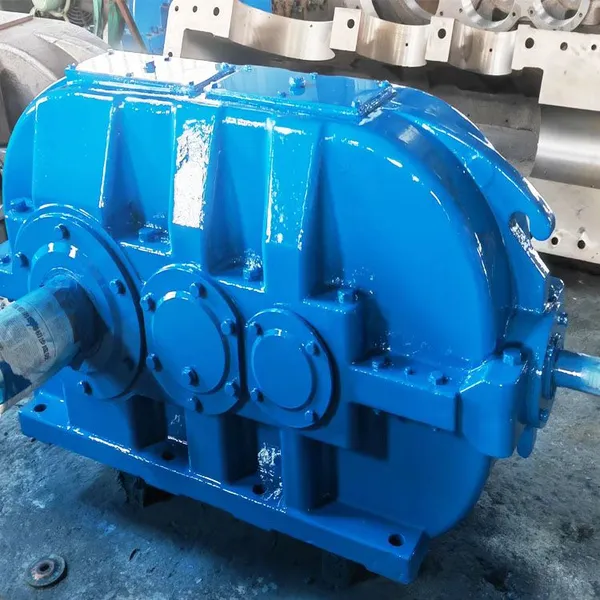
Box body manufacturing: Building a sturdy frame box body is the foundation of the reducer, which requires extremely high strength and stability.
Blank preparation: According to the design requirements, the box body can be made of high-strength cast iron or welded from Q235 steel plates.
Stress Relief: If the box body is welded, it must undergo overall annealing treatment after completion to eliminate welding internal stress and prevent deformation in the future. Castings require artificial aging.
Precision machining: After rough milling and fine milling of various surfaces, the most critical step is the rough and fine boring of bearing holes. The dimensional and positional accuracy of these holes directly determines the installation accuracy of the gear shaft, and must be strictly controlled
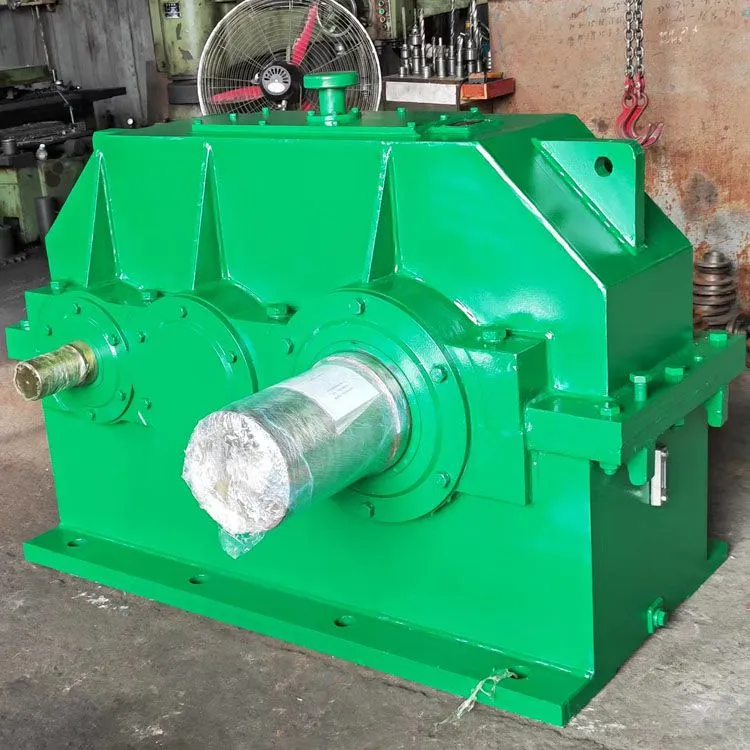
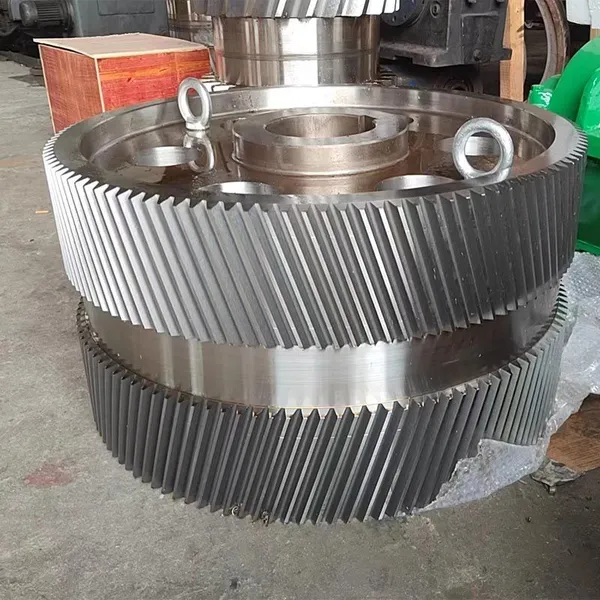
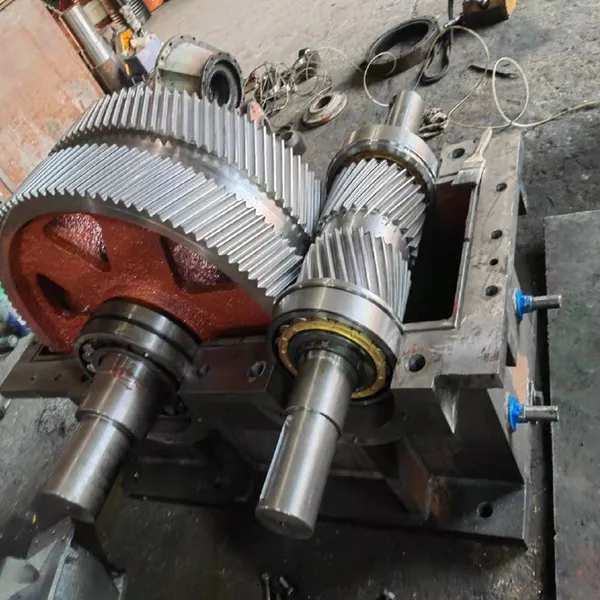
Gear and gear shaft machining: the core of the core. This is the most critical and technically demanding part in the production of hardened gear reducers, with the goal of obtaining gears that are "hard on the outside and tough on the inside".
Selected raw materials: Low-carbon alloy steel such as 20CrMnTi is typically chosen, as this type of material ensures a toughness of -3 to -4 in the core.
Pre-heat treatment: After forging the blank, flaw detection and tempering treatment are required to obtain good comprehensive mechanical properties and prepare for subsequent processing-10.
Initial tooth profile machining: The tooth profile is machined through hobbing or gear shaping, but a margin of -10 is reserved for subsequent finishing.
Core heat treatment (carburizing and quenching):
Carburizing: Place the gear in a carburizing furnace and allow carbon atoms to penetrate into the surface under controlled atmosphere. The depth of the carburized layer is usually controlled between 1.2-1.6mm-3-8.
Quenching: Subsequently, quenching treatment is carried out to achieve a tooth surface hardness of HRC 58-62, while the core of the gear remains well-toughened -3-4-9.
Final finishing (gear grinding): After heat treatment, the gear may undergo minor deformation, necessitating the use of a CNC gear grinding machine to perform precision grinding on the tooth surface. This step corrects the deformation, stabilizes the gear accuracy at ISO Grade 6 or higher, and ensures a tooth surface roughness of Ra≤0.8μm. It is crucial for achieving low noise and high smoothness
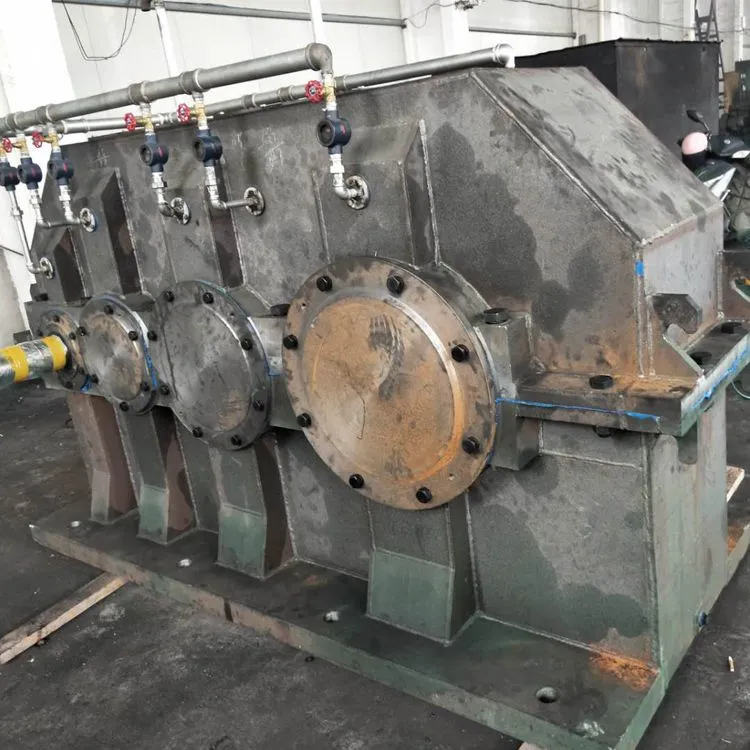
Assembly and testing: After all parts have been processed, the final inspection and assembly stage begins.
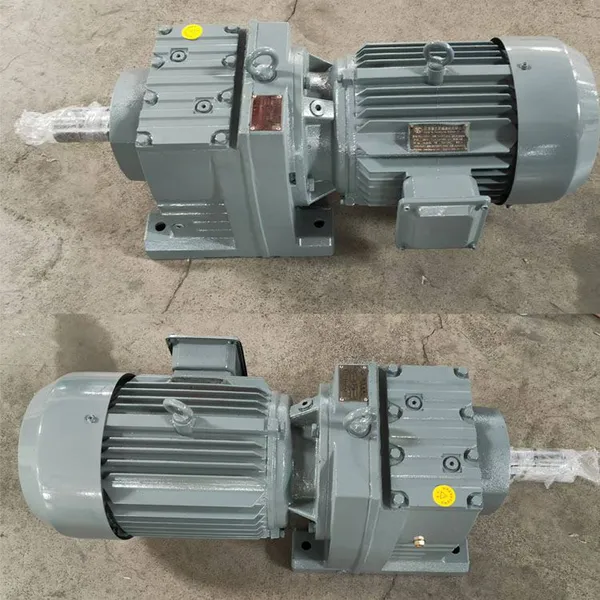
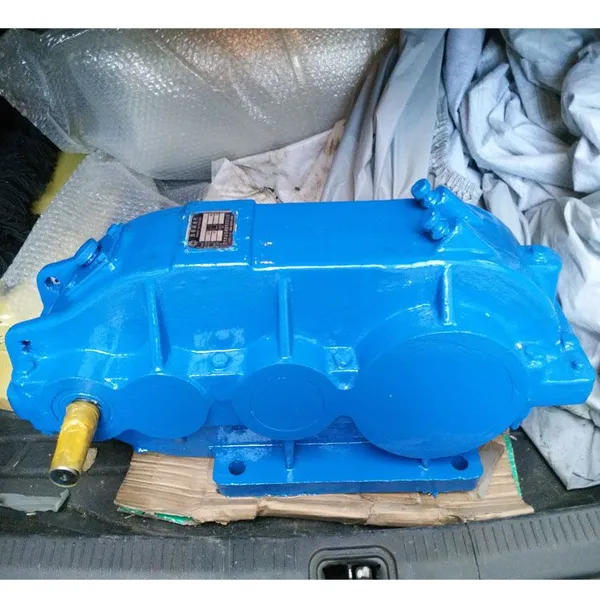
Sub-assembly and final assembly: First, assemble parts such as gears and bearings into an axle system, and then install it into the casing. After closing the casing, fine adjustments need to be made to the contact spots of the gears to ensure even load distribution.
Strict commissioning: The assembled reducers must undergo no-load or load commissioning. Inspectors will monitor key indicators such as noise (usually required to be ≤85dB), temperature rise, and vibration to ensure that each outgoing product meets performance standards

Contact Us
Recommended Products
-
 QY4D450 QY4D500 Hard Toothed Reducer for CranesUS$ 9600 - 10000MOQ: 1 Unit
 -
Crane Reducer QJR-D500 Gear Reducer Medium Hard Tooth SurfaceUS$ 5400 - 5500MOQ: 1 Unit
-
редуктор с косыми зубьями K127 K107US$ 1480 - 1550MOQ: 1 Unit
-
China ZD80 Single-stage Ball Mill Reducer With High Load CapacityUS$ 5450 - 5500MOQ: 1 Unit
-
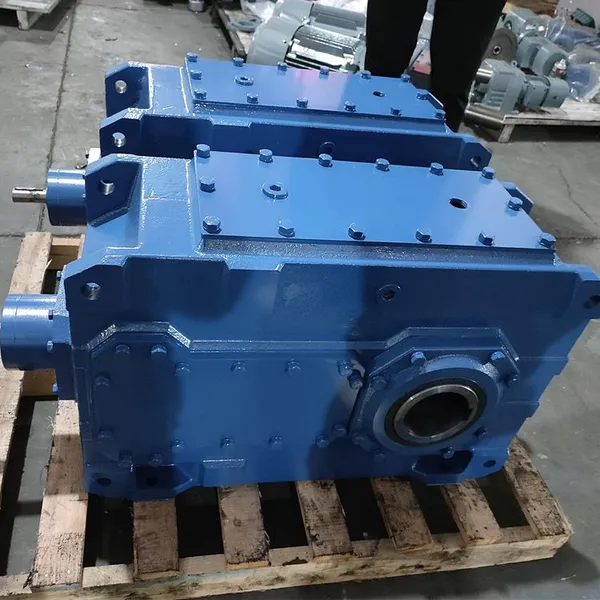
CHINA B3SH B3HH B3DH Industrial Gearbox Full Range of ModelsUS$ 5450 - 5500MOQ: 1 Unit
-
Customized Industrial Transmission Machinery Parts for Herringbone GearsUS$ 31000 - 32000MOQ: 1 Combo
-
R107 R137 R147Helical Gear Hardened GearboxUS$ 10500 - 11000MOQ: 1 Unit
-
High Torque DCY Gear Reducers for ConveyorsNegotiableMOQ: 1 Bag
-
ZSC600 ZSC750 Vertical Cylindrical Gear Reducer Crane ReducerNegotiableMOQ: 1 Bag
-
ZQ Cylindrical Gear Reducer 500 650 750 850 Model is Sturdy and DurableUS$ 800 - 2900MOQ: 1 Bag